Event planners rarely receive compliments for restroom logistics, yet they are often the first to hear about it when something goes wrong. Long lines, unpleasant conditions, or poorly placed units can overshadow even the most carefully organized event. In the portable restroom rental industry, experienced planners recognize that sanitation is a central part of the guest experience. It deserves the same level of attention as catering, layout, and scheduling. Achieving a smooth setup requires foresight, a clear understanding of usage patterns, and coordination with a provider that can scale services based on actual event conditions rather than rough estimates.
Getting the Numbers Right and Planning for Peak Demand
The first step in avoiding long lines is accurate capacity planning. While general guidelines provide a starting point, they should never be treated as fixed rules. The number of units required depends on several factors, including event duration, total attendance, and if the food and beverages will be served. Alcohol consumption, in particular, increases restroom usage and shortens the time between visits. One common mistake is relying on minimum recommendations without accounting for peak demand. A four-hour event with 200 guests may appear to meet standard ratios, yet if most guests use the restroom within a short period, congestion becomes inevitable. Adding extra units or increasing capacity in high-traffic zones helps maintain a steady flow and prevents bottlenecks.
Timing also plays a significant role in restroom traffic. Usage rarely remains consistent throughout an event. Instead, it rises during predictable moments such as intermissions, meal service, or transitions between activities. Weddings often experience a surge after the ceremony and another during the reception. Festivals and concerts follow similar patterns as attendees move between stages or scheduled performances. Addressing these surges requires thoughtful placement and sufficient unit distribution. Spreading restrooms across the venue, rather than concentrating them in one area, allows guests to access facilities without forming a single congested line.
Smart Placement and the Right Type of Units
Placement has a direct effect on how efficiently restrooms are used. Units should be easy to locate and positioned near key areas such as entrances, dining sections, or gathering spaces. At the same time, they should not disrupt the overall flow of movement. When restrooms are placed too far away or in locations that are difficult to find, guests tend to rely on the most visible option, even if other units are available. This leads to uneven usage and unnecessary lines. Strategic spacing across the event site encourages a more balanced distribution of traffic.
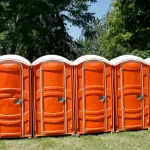
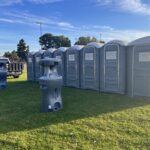
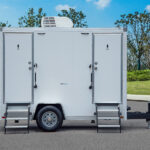
The type of units selected also influences both efficiency and guest satisfaction. Standard portable toilets are suitable for certain environments, particularly construction sites or casual outdoor events. However, they may not meet expectations for more formal gatherings. Deluxe units equipped with sinks or restroom trailers that offer flushing systems and additional amenities can improve both comfort and efficiency. When guests feel comfortable, they tend to move through the space more naturally, which supports a consistent flow. For higher-end events, upgraded options also align better with the overall atmosphere and reduce the likelihood of complaints related to cleanliness or convenience.
Handwashing stations should be treated as an essential part of the setup. Without them, guests spend additional time searching for sanitation options, which slows movement and creates frustration. Placing handwashing or sanitizing stations next to restroom units helps maintain a smooth process. Well-stocked supplies, including soap and sanitizer, reinforce cleanliness and contribute to a more organized impression.
Maintenance, Monitoring, and Overall Guest Experience
Cleanliness has a direct impact on how restrooms are used. Units that are not serviced regularly become less appealing, which shifts demand to other units and increases wait times. For longer events or those with larger crowds, scheduled maintenance during the event is necessary. This includes waste removal, restocking supplies, and routine cleaning. Professional providers typically build these service intervals into their plans to ensure that units remain functional and presentable throughout the event.
For larger gatherings, having staff assigned to monitor restroom areas can improve efficiency. These individuals can guide guests to less crowded units, address minor issues, and ensure supplies remain available between service visits. This proactive approach helps maintain order and prevents small concerns from escalating into larger problems. It also provides reassurance to guests that the facilities are being actively managed.
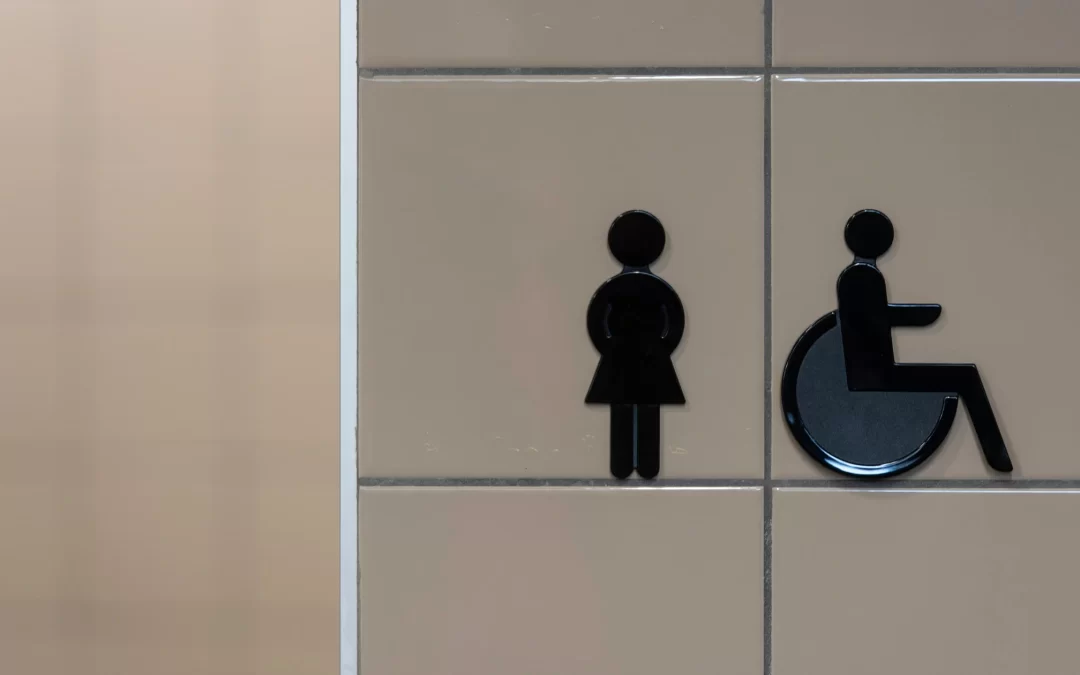
Accessibility should always be part of the planning process. ADA-compliant units must be included and placed in convenient locations to ensure that all guests can use the facilities comfortably. These units often provide additional space, which can also help relieve pressure on standard units when demand increases. Overlooking accessibility can create both logistical challenges and a negative impression of the event.
Environmental conditions can also influence restroom usage. Warm weather often leads to increased hydration, which raises demand. Rain or uneven ground can affect accessibility and discourage use of certain units. Preparing for these factors by stabilizing placement areas, adding proper lighting, and adjusting unit counts based on expected conditions helps maintain consistent usage across the site.
Clear signage is a practical tool that supports better flow. Guests should be able to locate restrooms without confusion. Signs placed at key points can direct people to additional units and reduce congestion in a single area. This is especially important for larger venues where facilities are spread out. When guests are aware of all available options, traffic becomes more evenly distributed.
Effective communication with a restroom rental provider brings all of these elements together. An experienced provider can assess the event layout, estimate demand with greater accuracy, and recommend adjustments based on similar projects. This collaboration ensures that decisions are informed by real-world experience rather than assumptions. It also allows for flexibility if attendance changes or unexpected conditions arise.
If you want a setup that keeps guests comfortable and lines under control, it is worth working with a team that understands the details behind effective event sanitation. Patriot Portable Restroom can help you plan the right number of units, place them strategically, and maintain them throughout your event so everything runs as expected. Reach out today to discuss your upcoming event and secure a solution that keeps your guests moving and your reputation intact.
Related Posts
Every project manager running a construction site in the United States has to comply with OSHA's portable sanitation rules. Most don't realize the requirements are specific, enforceable, and citable — a missed restroom ratio can show up on an OSHA inspection just as...
How many porta potties do you actually need? It's one of the most common questions we get, and the answer matters more than people realize. Order too few, and you'll have long lines, frustrated guests, and complaints that overshadow the rest of the event. Order too...
Choosing the right porta-potty rental in Victorville, CA is a practical decision that affects job sites, events, and public comfort. In a region shaped by active construction, large outdoor events, and a demanding high desert climate, portable restrooms must perform...