On California construction sites, portable restrooms are a daily operational requirement tied to worker health, jobsite order, and regulatory compliance. Crews arrive early, headcount changes as trades cycle in and out, and work zones shift as grading, framing, utilities, and finishes move across the footprint. Restrooms need to stay functional through heat, dust, mud, and heavy use, and they must be serviced without interfering with deliveries, inspections, or equipment access. This combination of constant use and tight logistics is why contractors and site managers rely on professional porta potty services. The same on-the-ground realities also explain what drives porta potty pricing in California: the number of units needed for the workforce, how long the job runs, how often units must be cleaned and pumped, where the site is located and how accessible it is, and the regulatory structure around sanitation and waste disposal.
Compliance and Headcount Drive the Number of Units You Actually Need
Pricing starts with unit quantity because a provider cannot build a reliable plan without knowing the peak workforce. California’s construction safety order for toilets at construction jobsites sets a baseline requirement: a minimum of one separate toilet facility for each 20 employees, or fraction thereof, of each sex. The rule also allows a mix of toilets and urinals, but toilets must still be at least half of the minimum required facilities, and there is an exception allowing one single-user, all-gender toilet facility when there are fewer than five employees. These details matter because they shape how many units a site must have on paper, which then becomes the starting point for how many units a site needs to run smoothly in practice.
California jobs also see staffing patterns that make “average headcount” a risky number. A site may have a stable crew on most days, then spike when concrete, steel, electrical, and HVAC work overlap. If you size restrooms for a quiet day, lines form quickly during breaks and shift changes, and time that should be spent working turns into time spent waiting. Professional providers are used to this pattern, so they price and plan around peak conditions, not optimistic assumptions. That planning also applies to site layout. A unit count that meets the minimum in theory can still cause problems if all units are placed in one corner of a large site. When restrooms are too far from active work areas, crews take longer walks, supervisors see more “extended break” time, and the site loses efficiency in small increments that add up over weeks.
Some California sites also consider federal OSHA construction sanitation guidance as a secondary reference point, especially for contractors who operate across state lines or apply a uniform company standard. OSHA’s construction sanitation table, known as Table D-1, uses a different structure than California’s rule, with minimum facility ratios tied to employee counts. While California requirements control California jobs, the broader message is consistent: the correct number of restrooms is not a guess, and undercounting is one of the fastest ways to create avoidable disruptions.
Service Frequency, Duration, and Site Conditions Shape the True Cost Over Time
The next pricing driver is how long the rental runs and how often the units need service to stay sanitary and usable. Construction sites have sustained daily use. Even a short project can demand multiple service visits if the crew is large, shifts are long, or the site is operating in hot weather. Longer projects add another layer: servicing has to remain reliable week after week as the job evolves. A site that starts with one access route may later have gated entry, changed traffic patterns, or restricted zones because of trenching, paving, or staging. Professional providers price with these moving parts in mind because they are responsible for keeping units usable throughout the rental, not only at drop-off.
Servicing is not a cosmetic add-on. Each service visit includes pumping, cleaning, disinfecting, restocking paper products, and managing odor control. More frequent service increases cost because it increases labor time, fuel, supplies, route planning, and disposal time. It also reduces the likelihood of the issues that cause the most jobsite friction: overfilled tanks, persistent odor, empty dispensers, and units that are technically present but not acceptable for use. OSHA’s sanitation interpretations make a practical point that resonates on jobsites: an unsanitary toilet does not count as meeting the requirement to provide toilets. That idea aligns with how most site supervisors think about restrooms anyway. A unit that crews refuse to use creates productivity and morale problems and can trigger complaints at the exact moments when a project needs full focus.
Handwashing support can also influence the quote, especially for sites that include dedicated handwashing stations rather than relying on improvised water access. California’s construction washing facilities rule states that a minimum of one washing station shall be provided for each twenty employees or fraction thereof, and it requires stations to be maintained in a clean and sanitary condition with an adequate supply of water for effective washing. Adding handwashing capacity changes pricing because it adds equipment to deliver and maintain, water to refill, and consumables to restock. Professional providers are equipped to service toilets and handwashing stations on coordinated schedules so the site does not end up with toilets in one condition and handwashing in another.
For event organizers managing multi-day setups, the construction lesson translates well. Build-outs and tear-downs often resemble a jobsite in how crews move, how access is controlled, and how sanitation needs remain steady across long days. The pricing mechanics remain the same: duration and servicing frequency drive a meaningful share of total cost because they determine how many times a provider must return to keep equipment usable.
Location, Access, and Regulated Disposal Requirements Add Real Operational Costs in California
In California, location affects porta potty pricing far beyond simple distance. An urban infill site may have tight maneuvering, limited staging space, and narrow service windows due to traffic congestion or local rules around when trucks can operate. A remote site can add long drive times, steep grades, unpaved access roads, and fewer nearby disposal options. Even within the same county, two sites can create different service realities based on gate procedures, escort requirements, and how close a service truck can safely reach the units. If a provider can only service during a short daily window, a missed access window can force a return trip. Those kinds of route disruptions are a real cost driver, and they are one reason construction sites rely on providers who can coordinate with supervisors and adapt as access conditions change.
Disposal is another California-specific reality that influences pricing and reliability. Portable toilet waste is hauled waste, and many agencies operate controlled discharge programs that require permits and enforce conditions for haulers. The Los Angeles County Sanitation Districts state that haulers must obtain a permit to utilize their disposal stations for septage and portable toilet wastes. In Los Angeles County, sewage pumping vehicle operators are also described as needing an annual public health permit for that type of work. These requirements exist to protect sewer systems and treatment plants, but for site managers they show up as a practical question: can the provider legally and consistently dispose of waste in your region, and can they do it on the schedule your job requires?
This is where professional service becomes less about the restroom unit and more about the system behind it. A provider has to manage route timing, disposal site hours, permitting, and compliance practices alongside the physical servicing work. When disposal access is limited, or when a region has strict program requirements, servicing becomes a tightly scheduled process. That influences cost because it influences the time and coordination required for each service cycle. It also affects risk. A missed disposal window can delay service, and delayed service can quickly become a jobsite problem. Professional providers build their operations around these constraints so the jobsite does not have to.
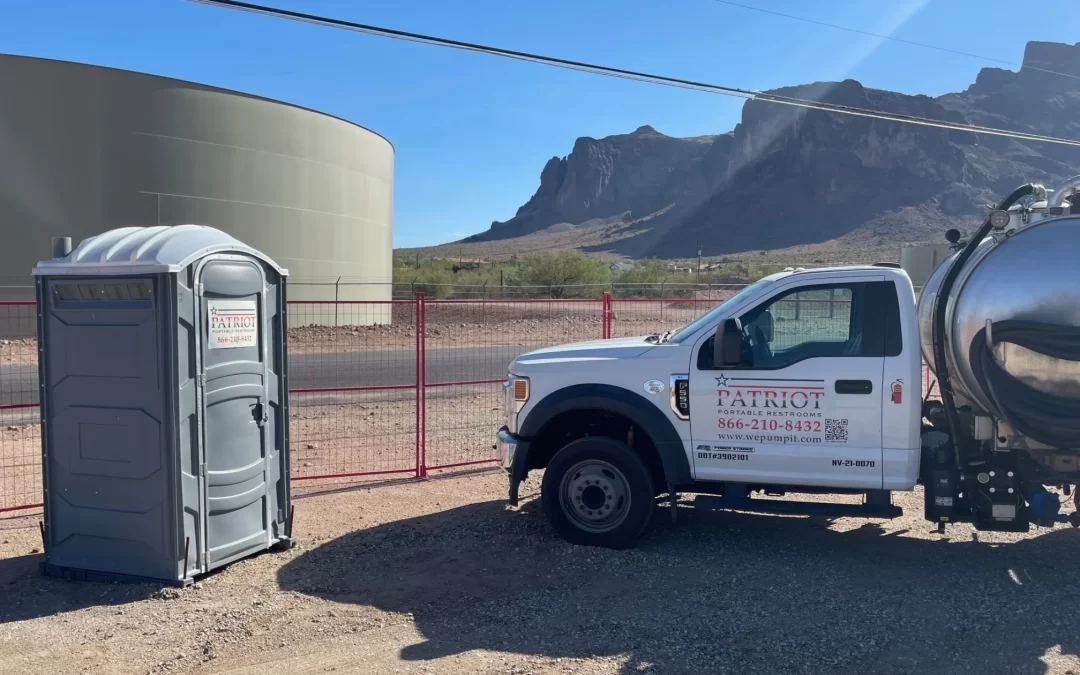
All of these factors explain why California construction sites rely on professional porta potty services and why pricing varies from site to site. Every jobsite has its own rhythm, and Patriot Portable helps you plan restroom rentals that fit the way your project actually runs. By learning about your location, crew size, schedule, and access points, our team can recommend the right unit mix and service plan to keep everything running smoothly without disrupting daily operations. From delivery placement to consistent servicing, the details are handled with care and local experience in mind. Call us or get a quote today to talk through your project needs and receive rental support designed around California jobsite requirements and real-world working conditions.