Outdoor festivals run on details that most guests never notice until something goes wrong. Restrooms are a prime example. When units are clean, stocked, and easy to access, people spend their time enjoying the event instead of searching for a usable stall. When sanitation slips, complaints rise quickly, lines get longer, and staff time gets pulled away from higher-priority tasks. In California, sanitation planning also shapes porta potty rental pricing because the final cost reflects how many units you need, how long you need them, how often they must be serviced, how far they must travel, and what local rules apply to your venue and permit.
Match Restroom Capacity and Service Schedules to Real Festival Demand
The first step is tying restroom planning to the type of festival you are running. A daytime community fair with shorter stays and lower alcohol consumption will place different demands on restrooms than a music festival that runs into the night and includes beer gardens. The pricing connection is direct. Higher use rates typically require more units and more frequent cleaning and pump-outs to keep conditions acceptable. If you underestimate demand, you may end up paying for additional deliveries or unscheduled service, which often costs more than building the right plan from the start. A realistic attendance estimate, the event schedule, and known peak windows help you select unit quantities and service timing that keep lines and mess under control.
Duration is another factor that changes both comfort and cost. A single-day event can still require delivery in advance and pickup afterward, and those logistics can extend the rental beyond the hours gates are open. Multi-day festivals require an even tighter sanitation plan because units will not stay in good shape without scheduled servicing. That means pumping, restocking, and cleaning on a planned cadence. In pricing terms, longer rentals increase the base rental period and add service charges tied to labor time, travel, disposal, and supplies. When you ask for pricing, it helps to share the full timeline, including setup day, the hours the site is accessible, and any restrictions on when trucks can enter or exit.
Servicing frequency is one of the biggest reasons two events with similar attendance can receive very different quotes. A clean restroom area depends on routine pump-outs, replenishing toilet paper and sanitizer, and basic wipe-downs that keep high-touch surfaces manageable. For busy festivals, one service visit during the event can prevent the late-day decline that leads to foul odors, overflowing waste tanks, and unusable units. Each additional service visit adds cost, but it also reduces the risk of emergency responses that are disruptive and expensive. From a planning standpoint, service should be aligned to the event schedule. If your largest crowd surge happens in the early evening, servicing earlier in the afternoon can protect the experience during the busiest hours.
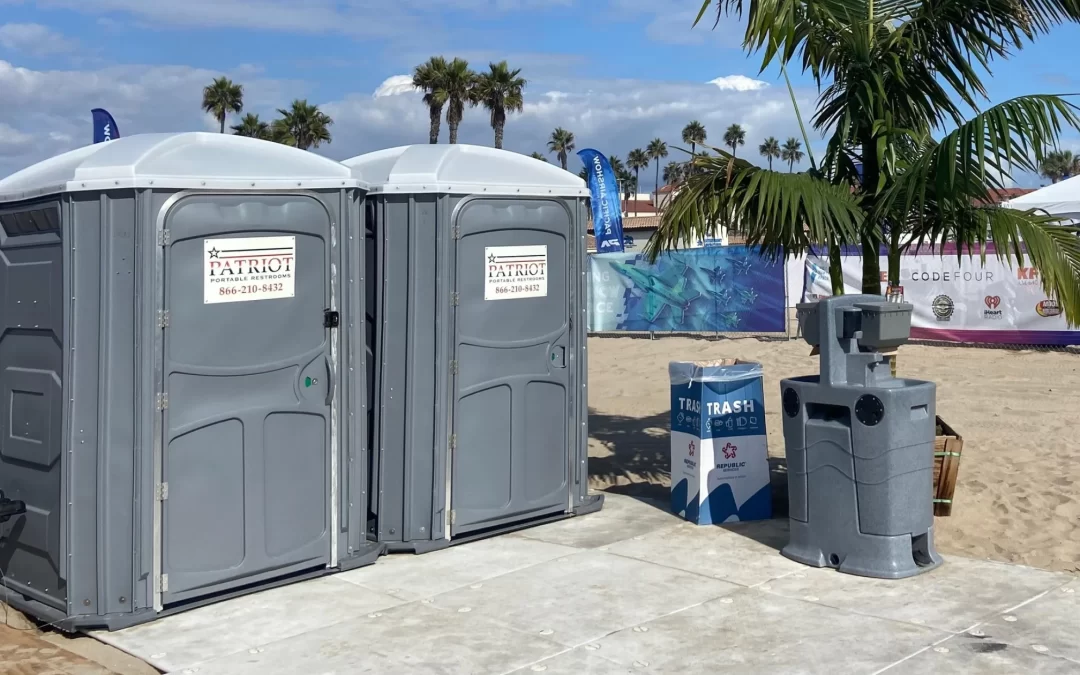
Handwashing support is part of keeping guests comfortable, and it often affects pricing because it adds equipment and servicing needs beyond standard toilets. Portable hand-washing stations and sanitizer stands help reduce the mess that builds up around restrooms and near food areas. They also support public health expectations, especially when food vendors are involved. These stations require water refills and wastewater handling, which means service planning matters here as well. When organizers treat handwashing as optional, they often add stations later when lines form, supplies run out, or the venue requests additional coverage. Including handwashing in the initial sanitation plan usually leads to a more predictable quote and fewer operational surprises.
Plan Layout, Access, and Guest Flow to Keep Restroom Areas Clean and Usable
Placement decisions matter for guest comfort, cleaning outcomes, and cost control. Restrooms placed too far from activity zones create long walks and encourage guests to wait until the last minute, which increases crowding at peak times. Units placed in poor locations can also create bottlenecks that slow down foot traffic and complicate security. Placement also affects service access. If a service truck cannot safely reach the units, scheduled pump-outs take longer and may require different equipment or additional labor. Those constraints raise service costs and can limit how quickly problems are addressed. A practical layout includes restroom clusters near high-traffic zones, clear pathways, and enough room for service access without forcing trucks through dense crowds.
Ground conditions are another real-world factor that influences sanitation results. Units on uneven terrain tend to get dirtier faster because users track in dust, mud, or sand, and doors may not close cleanly. In California, this can show up at coastal venues with sand, inland sites with dry dust, or winter events where rain creates soft ground. Stabilized placement improves usability and keeps the area around the units cleaner. From a pricing standpoint, difficult terrain and restricted access can increase delivery and servicing time. That extra time can appear in quotes because labor and routing are major cost inputs for portable sanitation providers.
Lighting and traffic control around restrooms are simple steps that protect the guest experience. Poorly lit restroom zones create confusion and lead to crowding, especially after dark. Clear lighting and visible signage reduce the time people spend wandering and help distribute use across all available units. Queue lines also matter. A basic stanchion setup or fenced pathway can prevent people from bunching up at doors, which keeps the area cleaner and reduces conflicts. These are low-cost operational choices that support sanitation without adding more equipment. They also help you get more value from the units you rent by improving throughput and reducing misuse.
Stock management is a practical detail that often gets overlooked. Toilet paper shortages, empty sanitizer dispensers, and missing paper towels drive complaints faster than almost any other issue. Most rental arrangements include a standard amount of supplies, but high-traffic festivals can burn through them quickly. If your event has long hours, large crowds, or alcohol service, restocking needs are higher and should be planned. In pricing terms, extra supplies and restocking visits increase the total cost, but they also prevent predictable failures that harm the guest experience. This is one of the clearest examples of sanitation planning affecting pricing in a way that directly supports comfort.
Understanding California Pricing Drivers: Location Logistics, Compliance, and Rental Scope
Odor control is closely tied to service timing and proper use, not gimmicks. When units are serviced on schedule and kept stocked, conditions stay more stable and odors are easier to manage. Heat can accelerate odor issues, which matters for many California events held in warm inland regions. That does not mean you should plan for problems based on guesses. It means you should build the service plan around the real workload the units will see. If your festival has long operating hours and high attendance, more frequent service is often the practical solution, and it will be reflected in the quote.
Accessibility requirements should be addressed early. Festivals need restrooms that are usable by all guests, and many venues and permitting authorities expect ADA-accessible units and compliant placement. These units often have different dimensions and placement needs, including stable ground and clear access routes. They can also influence the overall layout because spacing and pathways must support safe entry. Pricing can differ for accessible units based on equipment type, availability, and transport considerations, and it is better to include these needs upfront rather than revise the plan late in the process.
Local regulations and venue rules have a direct impact on rental decisions in California. Requirements can come from cities, counties, park districts, fairgrounds, or private venue operators. Some permits specify minimum restroom counts or sanitation provisions tied to crowd size, alcohol service, or food vending. Regulations can also affect delivery and pickup windows, truck access routes, and noise-related restrictions that limit service hours. All of these factors influence cost because they affect labor time, routing, and the number of units required to meet operational and compliance expectations. The most reliable way to avoid budget shocks is to share permit requirements and venue rules with your rental provider early, along with a site map and a clear schedule.
Location and logistics play a major role in pricing across California. Travel distance from the provider’s yard, local traffic, and site access all affect delivery and servicing costs. Dense urban areas can increase time due to congestion and limited loading zones. Remote venues can increase costs because of long travel distances and fewer nearby disposal facilities. Even within the same county, a beachfront venue with restricted access can be priced differently than a paved fairground with wide service lanes. When requesting pricing, provide an exact address, gate access details, and any constraints on truck entry so the quote reflects the actual work required.
The number of units remains a central pricing driver, but it should be chosen based on event conditions rather than a rough guess. Guest comfort depends on keeping wait times reasonable and ensuring units stay clean through the busiest parts of the day. Too few units leads to overuse, faster tank fill rates, more mess, and greater need for service during the event. Too many units can add unnecessary cost without improving the experience if the site layout and signage already support smooth traffic flow. Dispersed festivals often need multiple restroom clusters near stages, food courts, and entry points, because a single large bank can create long walks and crowding. A thoughtful layout can reduce bottlenecks and keep the experience consistent across the site.
Contractors and job site managers can apply the same sanitation principles while planning around steady daily usage instead of crowd surges. Pricing for job sites is typically driven by rental duration, number of units, and the service schedule needed to keep conditions acceptable for the crew. Larger crews, dusty conditions, and hot weather can increase cleaning needs and servicing frequency. Site access also matters, especially as projects progress and staging areas shift. Keeping a clear service route and a stable placement area supports consistent sanitation and helps avoid added charges caused by difficult access or unplanned relocations.
Outdoor festivals come with unique demands, and Patriot Portable helps you plan restroom rentals that support both comfort and flow throughout your event. By taking time to understand your venue layout, attendance expectations, and service needs, our team builds a rental plan that keeps restrooms clean and guests comfortable from start to finish. Call us or request a quote today with our team to talk through your festival details and receive a clear, thoughtful quote designed around your site and schedule.