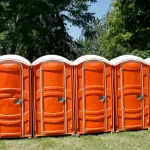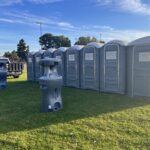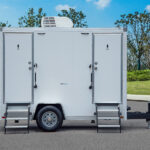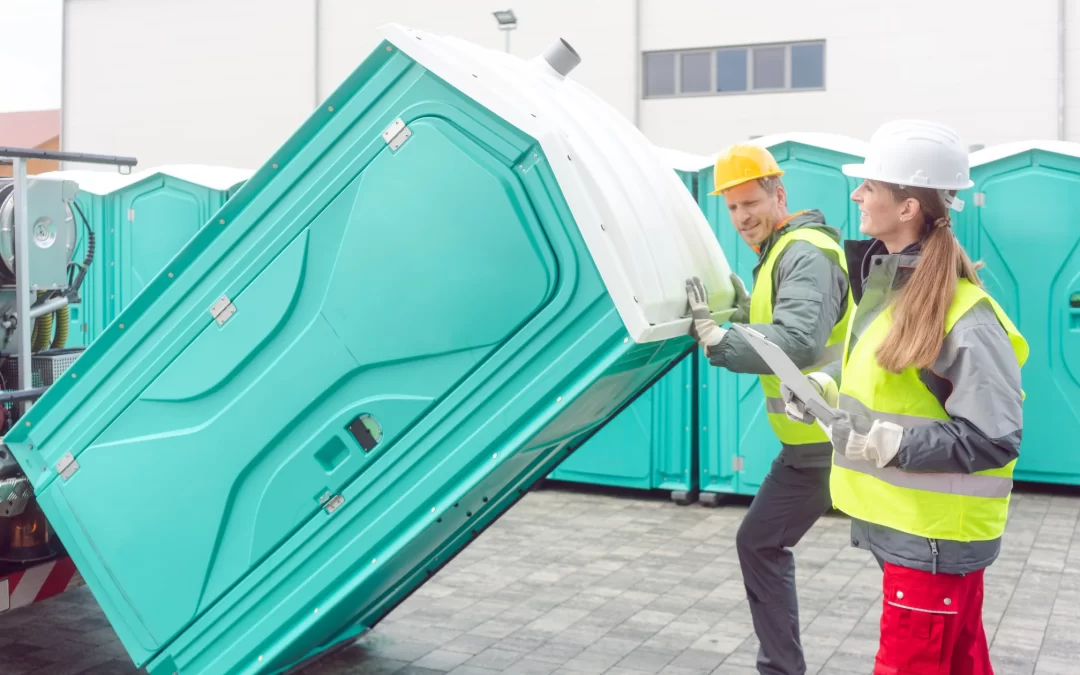
Portable toilet rental is a regulated necessity across California, supporting sanitation at construction sites, public events, and temporary operations of every scale. State and local agencies treat temporary restrooms as essential infrastructure tied to public health, safety, and environmental protection, and the rules governing their use are enforced accordingly. For organizers and site managers, portable toilet rental decisions influence permitting outcomes, regulatory compliance, and the daily experience of workers and guests, making informed planning a practical requirement rather than a formality.
Portable Toilet Rental Regulations for Job Sites and Events
Construction sites represent one of the most tightly regulated uses of portable toilet rental in California. Under Cal/OSHA sanitation standards, employers are required to provide a sufficient number of toilets based on workforce size. A commonly enforced benchmark requires one portable toilet for every 20 workers, with additional units added as staffing levels increase. Toilets must be available whenever employees are working and located so that access does not require exposure to hazards or excessive travel time.
Maintenance is not discretionary. Portable toilets on job sites must remain clean, stocked, and fully functional throughout the workweek. When workers are exposed to contaminants, chemicals, or materials that require hand hygiene, handwashing stations must accompany the toilets. In this setting, portable toilet rental is directly tied to occupational safety and health. Inspectors routinely cite inadequate restroom access or poor sanitation, making reliable service an operational necessity.
Public events introduce a different regulatory framework. County environmental health departments oversee sanitation planning for festivals, concerts, races, fairs, and similar gatherings. Portable toilet rental quantities are typically calculated using attendance projections and event duration. A commonly applied planning guideline calls for one portable toilet per 50 attendees for events lasting up to four hours. Events that exceed this timeframe require additional units, while multi-day events often require scheduled servicing to maintain sanitary conditions throughout.
Alcohol service significantly influences portable toilet rental requirements. Events serving alcohol experience higher restroom usage, and many California jurisdictions require an increase in the total number of units to account for this demand. Food service can also trigger requirements for handwashing stations near restroom areas. These measures are enforced to protect public health and reduce the likelihood of unsanitary conditions during periods of heavy use.
Permits, Placement, and Accessibility Requirements
Permitting is a central component of portable toilet rental in California. Many events and temporary operations cannot proceed without approved sanitation plans. Permit applications often require detailed information about restroom counts, unit placement, servicing schedules, and waste disposal methods. Environmental health departments expect documentation showing that waste will be handled by licensed providers and transported to approved wastewater treatment facilities. Inadequate or unclear restroom planning can delay permits or result in denial.
Placement standards are equally important. Portable toilets must be positioned on stable, level ground to prevent tipping and ensure safe use. They must be placed away from food preparation areas, potable water sources, and storm drains to minimize contamination risks. On construction sites, toilets must be accessible without forcing workers to cross traffic zones or unsafe terrain. At large events, restrooms should be distributed evenly across the venue to reduce congestion and improve access.
Accessibility requirements play a decisive role in portable toilet rental planning. Public events are required to provide ADA-compliant portable toilets designed for wheelchair access. These units include wider entryways, interior space for maneuvering, and support features such as handrails. The required number of accessible units depends on the total restroom count, but at least one compliant unit is generally mandatory whenever portable toilets are used at public events. Accessibility is a legal obligation enforced under both California and federal law.
Visibility and lighting are also practical considerations. Events that extend into evening hours must ensure portable toilets are clearly marked and well-lit. Poor visibility increases safety risks and can discourage proper use. Thoughtful placement supports both compliance and a smoother user experience.
Servicing Standards and Best Practices for Portable Toilet Rental
Servicing frequency defines the quality of any portable toilet rental. Toilets must be cleaned, sanitized, and restocked according to actual usage levels. On construction sites, weekly servicing is typically the minimum acceptable standard. High-traffic events often require daily servicing or multiple cleanings during peak periods. California regulators expect portable toilets to remain sanitary throughout their deployment, not merely at the beginning.
Waste handling is tightly regulated. Portable toilet rental providers must be licensed to transport waste and are required to dispose of it at approved treatment facilities. Illegal dumping carries significant penalties and enforcement actions. Proper servicing protects public health, preserves environmental resources, and reduces the likelihood of complaints or inspections.
California’s climate introduces additional considerations. In warmer regions, higher temperatures accelerate waste breakdown and odor development, which increases the need for more frequent servicing. Coastal and mountainous areas may present challenges related to weather, terrain, or access. Portable toilet rental plans should reflect local conditions rather than relying on standardized schedules that may not align with real-world use.
Long-term portable toilet rental presents its own set of responsibilities. Construction projects, agricultural operations, and infrastructure work often rely on portable toilets for months at a time. Over extended periods, consistent servicing, equipment condition, and supply replenishment become critical. Workforce size may fluctuate, requiring adjustments to restroom counts. California inspectors may conduct periodic site visits, making ongoing compliance an operational priority.
Experienced planners often exceed minimum portable toilet rental requirements. Providing additional units reduces wear, improves cleanliness, and shortens wait times. Adding handwashing stations supports hygiene and reflects professional site management. Regular monitoring during events allows issues to be addressed before they affect users. These practices contribute to smoother operations and stronger regulatory outcomes.
Portable toilet rental in California reflects a broader commitment to health, safety, and accountability. Regulations establish clear baselines, but the success of any rental program depends on informed planning and dependable service. Accurate attendance estimates, proper placement, routine servicing, and familiarity with local requirements form the foundation of effective sanitation management.
For those seeking dependable portable toilet rental support in California, working with an experienced provider simplifies both compliance and execution. Patriot Portable Restrooms delivers service grounded in regulatory knowledge, consistent maintenance, and practical field experience. When sanitation planning is handled with care and precision, job sites remain compliant, events run smoothly, and temporary restrooms perform as they should.
Related Posts
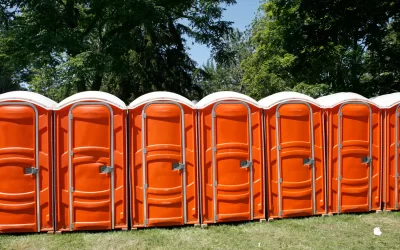
Every project manager running a construction site in the United States has to comply with OSHA's portable sanitation rules. Most don't realize the requirements are specific, enforceable, and citable — a missed restroom ratio can show up on an OSHA inspection just as...
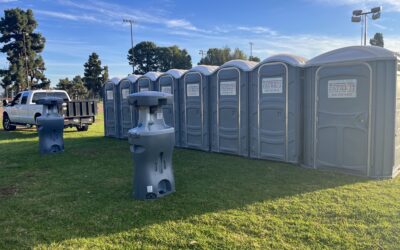
How many porta potties do you actually need? It's one of the most common questions we get, and the answer matters more than people realize. Order too few, and you'll have long lines, frustrated guests, and complaints that overshadow the rest of the event. Order too...

Event planners tend to focus on the major elements first, including the venue, crowd flow, entertainment, and restroom access. Yet one of the most noticeable details for guests often comes down to something far simpler, which is having a clean and convenient place to...