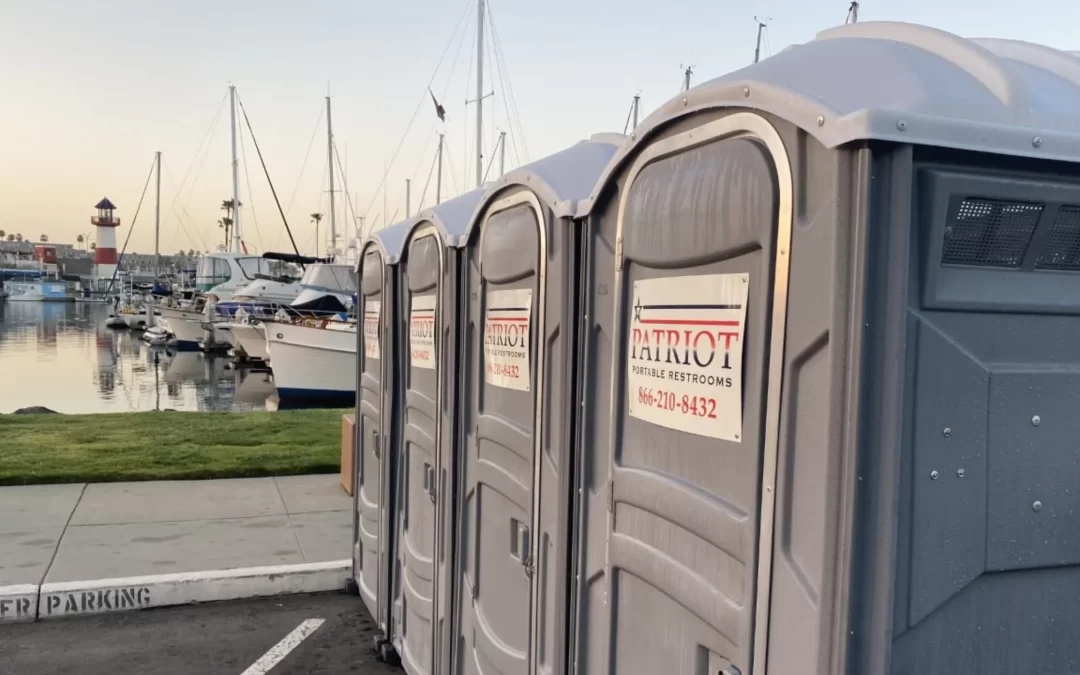
Portable restroom planning for a California county fair or outdoor market is one of those operational tasks that looks simple until the gates open. When restrooms are undersupplied, poorly placed, or serviced too lightly, the problems show up fast. Lines stretch into vendor aisles, trash builds up around the doors, and staff spend the day putting out fires instead of managing the event. A solid rental plan prevents that by matching restroom capacity to crowd behavior, event hours, food and beverage activity, and the realities of your site. It also helps you control costs because most pricing changes come from late additions, extra service calls, and access issues that could have been anticipated.
Right-Size the Order Based on Event Type, Duration, and Crowd Patterns
Start with a clear picture of what you are hosting because the event type shapes everything that follows. County fairs typically bring long dwell times, family attendance, and peak surges tied to ride schedules, stage acts, and evening traffic. Outdoor markets tend to have a steadier flow but can still spike at opening hours, during special promotions, or when weather improves midday. A fair that includes alcohol service or a strong food presence usually increases restroom visits and increases demand for hand hygiene. These conditions influence the mix of units you need and how often they should be serviced, which are the main drivers of total rental cost.
Duration is an immediate pricing factor, but it is not limited to the advertised event hours. Many fairs and markets have vendor load-in, early setup, and late breakdown that extend restroom demand beyond public hours. Multi-day events often require planned pumping and cleaning visits to keep units functional and acceptable for attendees. Even a one-day market can need service support if attendance is high, the event runs long, or heat increases fluid consumption. When you request a quote, include the full timeline from the first day of setup through final pickup. That prevents gaps in coverage and helps the provider price the right number of service visits.
Unit count is where careful planning saves the most money. Ordering too few units often leads to emergency additions, increased service frequency, and complaints that force reactive decisions. Ordering far too many units increases base rental and delivery costs without improving the experience. A practical approach is to estimate attendance by day and by peak hour, then adjust for factors that change usage patterns in California. High temperatures, popular food vendors, beer gardens, kids’ zones, and long lines at attractions all increase restroom volume. Layout matters as well. If restrooms are concentrated in one area, people keep queuing there even if other units exist elsewhere. Spreading units across entrances, main aisles, food corridors, and seating areas can reduce crowding without raising the total number of units.
Plan Servicing, Unit Mix, and Hygiene Support to Control Total Cost
Servicing needs are a major cost driver, especially for county fairs. Service visits cover pumping, cleaning, and restocking supplies such as toilet paper and hand sanitizer. The number of visits required depends on attendance, unit count, and how concentrated usage is at certain restroom banks. Units near food vendors and main stages usually see heavier traffic than units near overflow parking. If you want consistent conditions across long event days, build service into the plan instead of waiting for a mid-event problem. Scheduled service is typically easier to manage than same-day calls, and it reduces the risk of units reaching capacity during peak times.
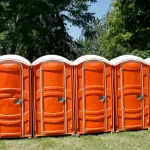
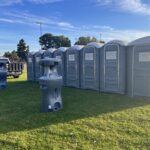
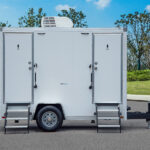
The mix of unit types affects pricing in a way that is often predictable if you plan early. Standard units cover basic needs and usually form the core of a rental package. Accessible units are often required for public events and should be treated as part of the baseline plan rather than a last-minute add. Handwashing stations and portable sinks are also common for fairs and markets, especially when food is involved. Adding handwashing capacity changes the quote because it adds equipment, water management, and service tasks. If you plan to include VIP areas, staff-only zones, or sponsor hospitality sections, higher-comfort options like restroom trailers may fit the plan. Those units come with different logistics, including power requirements and more involved delivery and setup.
Plan for hand hygiene as part of the restroom layout rather than an afterthought. When handwashing stations are placed beside restroom banks and along food corridors, they are more likely to be used, which improves overall conditions. If you plan to provide sanitizer, place it where people naturally pause, such as near the exit side of the restroom row or near food seating. These decisions do not always change the number of units, but they can influence how frequently restocking is needed, which affects servicing costs over multi-day events.
Account for California Logistics, Access, and Local Rules Before You Lock in Pricing
Location and access influence porta potty pricing across California because distance and delivery complexity affect labor and routing. A fairground with wide access lanes, firm staging areas, and clear delivery windows is easier to serve than a downtown market on tight streets with limited truck access and strict time restrictions. Rural locations can add travel time and limit nearby disposal options, which can affect service scheduling and cost. Coastal sites may face wind and sand conditions that increase cleaning needs, while inland summer events can require more frequent service due to heat and higher hydration. If your site is on grass, dirt, or uneven ground, it can slow placement and servicing. These details matter because providers price based on time, labor, and logistics, not only on the number of units.
Timing can change your quote even when the event plan stays the same. Weekend delivery, holiday scheduling, or narrow load-in windows can increase labor costs. County fairs and seasonal markets also cluster on the calendar, and high-demand weekends reduce flexibility. Reserve early and lock in delivery and pickup windows before the event calendar fills. It also helps to keep the plan stable as the date approaches. Last-minute changes can trigger rerouting, additional trips, or a scramble for extra units, all of which can raise costs.
Regulations and site rules often affect both unit requirements and placement. California events may face county or city requirements, venue policies, and public health expectations. Some venues specify where units can sit, what surfaces must be protected, and how service vehicles must enter and exit the grounds. If the event involves construction activity, temporary work areas, or vendor build-outs, workplace sanitation expectations can apply to staff and contractors on site. Confirm requirements early with the venue and local authorities, then share those requirements with your restroom provider so the quote accounts for the right unit types and any placement constraints.
Placement strategy matters as much as unit count. Restrooms need to be visible and easy to reach, but they should not block the main pedestrian path or interfere with vendor frontage. For fairs, placing restroom banks near food courts, ride hubs, and main entrances helps reduce long walks and keeps traffic moving. For markets, restrooms near the busiest vendor rows and seating areas typically perform better than restrooms tucked behind a building. Service access is equally important. Service trucks must reach units without crossing dense crowds or driving over restricted surfaces. If service access is difficult, it can slow the job, increase labor time, and limit the provider’s ability to keep units clean during peak hours. Map a service route and keep it open, coordinating with security or traffic staff as needed.
Budget protection also comes from reducing the risk of damage and downtime. Busy public events can involve tipping, misuse, or vandalism. Providers often have placement recommendations that reduce these risks, such as locating units on stable ground, avoiding steep slopes, and choosing well-lit areas. Lighting near restroom banks helps discourage bad behavior and improves safety for guests after dark. For multi-day fairs, periodic checks by staff or security can prevent minor issues from turning into a full unit outage. Avoiding damage protects your budget because repairs and replacements can add unexpected charges and disrupt the event.
To get accurate pricing, share complete information up front. Provide the event address, the site map, surface type, estimated attendance by day, hours of operation, and any special conditions such as alcohol service, large food vendor participation, or evening entertainment. Include the full schedule for setup and breakdown, plus any access restrictions such as narrow gates, limited truck routes, or time windows for delivery and service. When a provider has these details, the quote is more likely to reflect real needs, and you are less likely to face mid-event additions or service calls that could have been avoided.
Successful portable restroom planning for a California county fair or outdoor market starts with thoughtful coordination. Patriot Portable works with organizers to align unit count, placement, accessibility, handwashing support, and servicing schedules with real attendance patterns and site flow. The result is cleaner restrooms, smoother lines, and a rental plan that stays predictable throughout the event. Start the planning process early! Call us today or get a free quote, and let our team help you build a restroom setup that supports your event from opening day through closing time.
Related Posts
Every project manager running a construction site in the United States has to comply with OSHA's portable sanitation rules. Most don't realize the requirements are specific, enforceable, and citable — a missed restroom ratio can show up on an OSHA inspection just as...
How many porta potties do you actually need? It's one of the most common questions we get, and the answer matters more than people realize. Order too few, and you'll have long lines, frustrated guests, and complaints that overshadow the rest of the event. Order too...

Event planners tend to focus on the major elements first, including the venue, crowd flow, entertainment, and restroom access. Yet one of the most noticeable details for guests often comes down to something far simpler, which is having a clean and convenient place to...